Questions PSAP Leaders Should Ask During The Upgrade to NG911
Resources
5 minute read

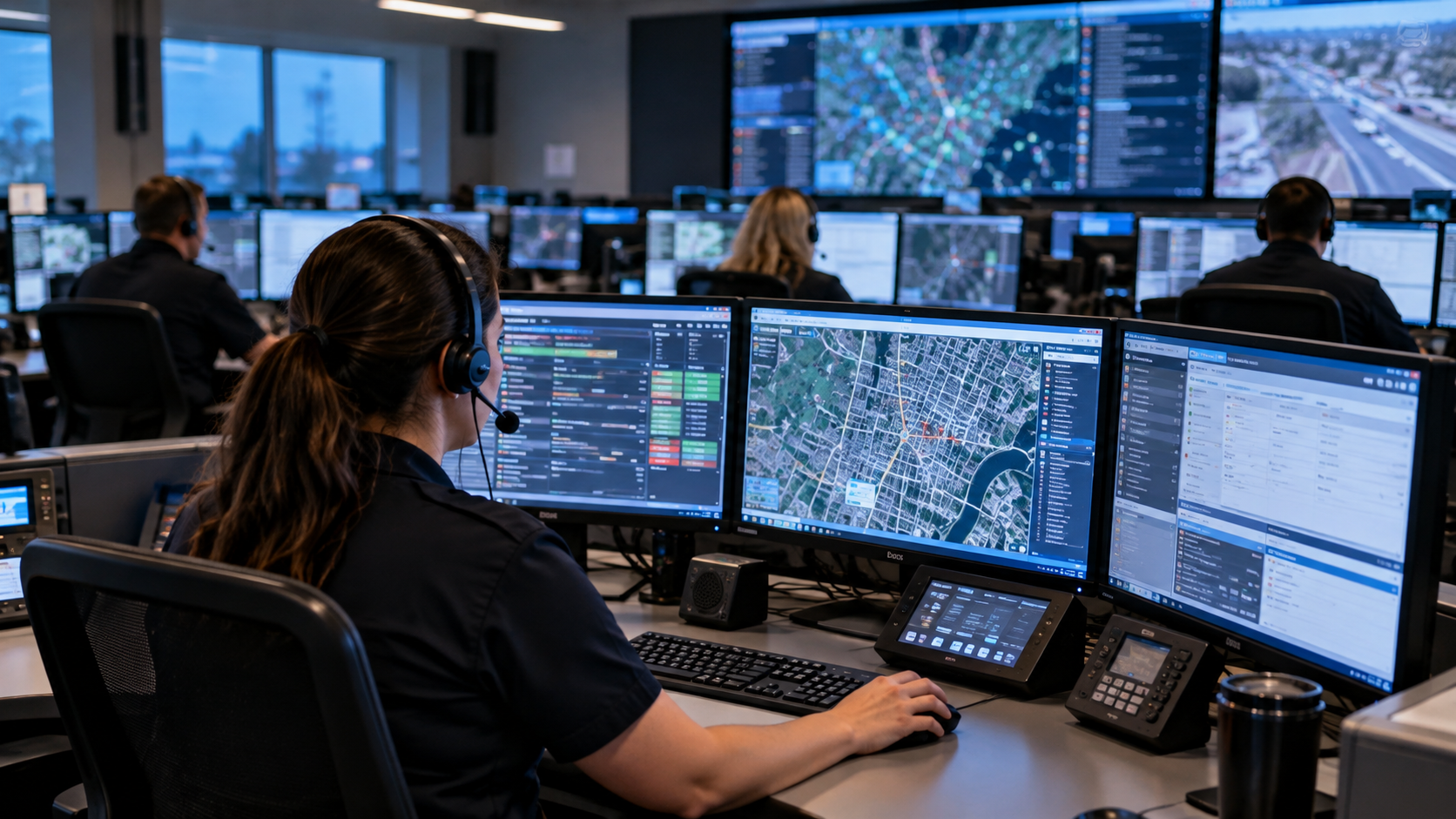
If you’re responsible for your PSAP’s upgrade to Next Generation 911, we’re sure you have already discovered just how many moving parts are involved.
The transition is not as simple as swapping out old equipment for the new, modern IP-based network. There is a lot happening behind the scenes in addition to the technology including your existing infrastructure, your call takers, neighboring agencies, and of course the question everyone wants answered: What happens if something goes wrong.
The good news is that you don’t need to be a network engineer to have meaningful conversations about NG911. You just need to know what to ask.
Whether your PSAP is preparing for its upgrade to NG911, or you’re already working with a provider, these six questions can help you understand what you’re getting, what to expect, and where you might need to dig a little deeper.
This is one of the questions we get the most, and we understand. What happens to the technology you’ve already invested in?
You are not starting from scratch. You may have newer call-handling equipment but still depend on legacy network connections, or you may be operating with systems that have been in place for years.
Each of these scenarios is okay.
In many cases, it is absolutely normal for legacy and NG911 systems to work together while agencies move toward a fully IP-based environment. This might involve gateways or other interconnection services, such as i3-Interconnect™, that allow calls from older networks to reach NG911 infrastructure.
Ask your provider which parts of your existing system can remain in place, what needs to change, and how everything will communicate during and after the transition.
You should also understand whether temporary connections will be needed and how long they’re expected to remain in service.
You should ask this because replacing technology that still works isn’t always necessary when you make the transition to NG911. Understanding how your current infrastructure fits into the bigger picture can help you plan your upgrade without creating avoidable costs or disruptions.
The worst case scenario is a network failure during an emergency, and this is one of the most important conversations you can have with your NG911 provider.
NG911 networks are specifically designed for for the following:
These capabilities depend on how the system is designed, where backup connections are located, and whether failover procedures have actually been tested.
So, you need to ask some specific questions.
Your provider should be able to clearly explain how the network maintains service during different types of failures.
When you dial 911, the expectation is that it goes to the PSAP that is closest to you.
Sounds simple enough, right? Not quite.
Since the 1960s, traditional 911 systems have relied on phone number-based routing and predefined service boundaries to determine where emergency calls should go.
NG911 introduces a different approach. It can use location information and geographic boundaries to help determine which PSAP should receive an emergency call.
That opens the door to more flexible routing. However, it also makes the accuracy of location data especially important.
Ask your provider the following questions.
Even the most advanced network depends on reliable information. It’s important you understand how calls are routed and help your agency identify any potential issues before they become real-world problems.
You’ve almost certainly heard someone around your PSAP mention NENA i3 compliance. But what does that mean for your agency?
The National Emergency Number Association (NENA) developed the i3 standard to establish how NG911 systems need to do three things:
You can think of NENA as giving providers and PSAPs a set of technical rules to follow that help different systems work together, even when they’re operated by different providers or agencies.
Your PSAP does not, and will not, operate in isolation in the NG911 environment. Emergency calls may cross jurisdictional boundaries, and your network may need to communicate with systems managed by other agencies or service providers.
It is important to ask your provider these questions in regard to NENA i3 compliance:
With so much attention on network infrastructure, it’s easy to overlook the people who will be working with NG911 every day. Your calltakers are your first line of defense and it is of the utmost importance that they understand how to operate the new system.
They already manage stressful situations, make quick decisions, and depend on their equipment to work the way it’s supposed to. The last thing they need is uncertainty about a new system when an emergency call comes in.
Now, not every NG911 upgrade will dramatically change what telecommunicators see or do. Some improvements happen almost entirely behind the scenes.
But that doesn’t mean you should assume daily operations will stay exactly the same.
Ask your provider what changes, if any, your team should expect.
Upgrading to NG911 is a major milestone, but it isn’t the finish line.
NG911 is designed to support an emergency communications environment that is always evolving. As technology changes, NG911 will need updates, new capabilities may become available, and industry standards will continue to develop.
So, what does that mean for the system you’re investing in today?
Ask your provider how the network will be maintained after implementation.
There isn’t one perfect NG911 transition plan that works for everyone, which is why it’s important to understand how the technology will work for your agency.
Don’t be afraid to ask for explanations without all the technical jargon. You should feel comfortable asking how a system works, why a particular approach is being recommended, and what it means for the people depending on your PSAP.
At Synergem Technologies, we believe informed decisions start with a better understanding of the infrastructure behind emergency communications. From legacy network interconnection to NG911 call routing and standards-based services, knowing how these systems work together is an important part of preparing for what’s next.
The technology behind NG911 may be complex. The conversations about it don’t have to be. Contact Synergem to discuss your upgrade to NG911.