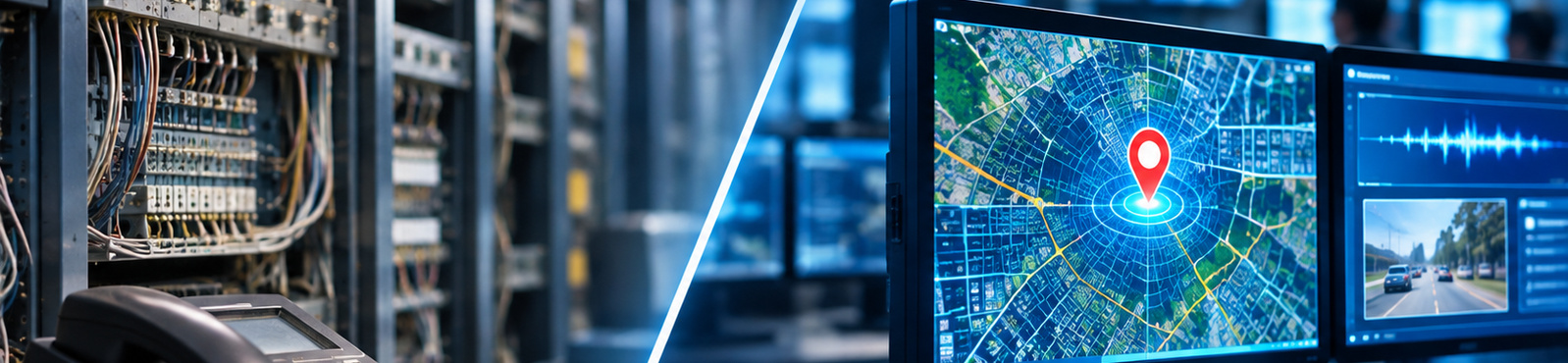
Legacy 911 vs NG911

Legacy 911 vs. NG911: What’s the Difference?

What is legacy 911
What is Legacy 911

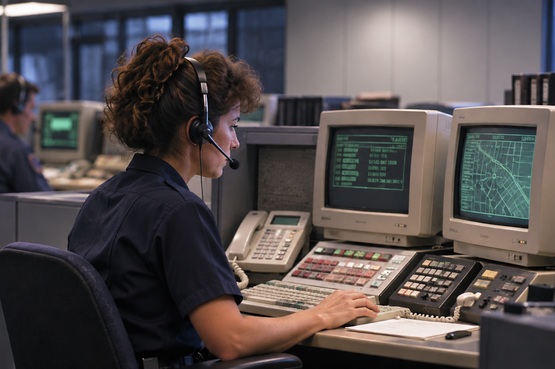
Built in the 1960s, Legacy 911 uses traditional, circuit-switched telephone infrastructure and selective routers to direct emergency calls to the appropriate Public Safety Answering Point (PSAP).

For decades, this architecture provided a reliable foundation for emergency voice communications. But it was designed for a very different communications environment.

As we have moved from traditional landlines to communicating through mobile devices and text messaging, precise location technologies, and digital data have become commonplace and the limitations of legacy infrastructure have become too big to ignore.
What is NG911
What is NG911

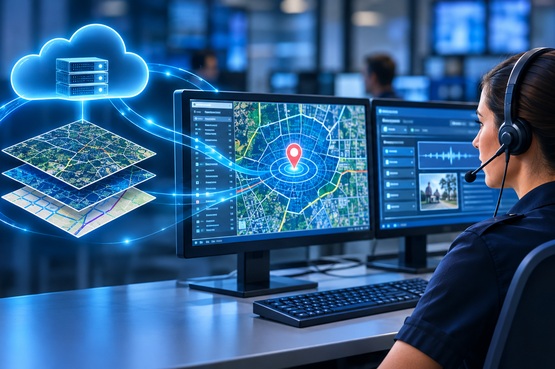
Next Generation 911 was built to modernize Legacy 911. NG911 upgrades call-routing infrastructure with a standards-based, IP environment built around an Emergency Services IP Network (ESInet) and Next Generation Core Services (NGCS) that work together for a quicker, more accurate response to emergencies.

NG911 introduces capabilities that legacy systems were not designed to provide:

  • IP-based emergency communications
  • GIS-based location validation and routing
  • Voice, text, multimedia, and additional data
  • Standards-based interoperability between participating systems
  • More flexible options for resiliency and redundancy
  • An architecture based on NENA i3 standards
Legacy 911 connects calls. NG911 connects calls, location, data, and public safety systems.
Legacy 911 vs NG911
Legacy 911 vs NG911 At a Glance

Legacy 911

  • Circuit-switched network
  • Primarily voice
  • Selective-router based
  • Legacy location databases
  • Limited interoperability
  • Built for traditional telephony

NG911

  • IP-based ESInet
  • Voice, text, multimedia, and data
  • NGCS and location-based routing
  • GIS-driven location validation and routing
  • NENA i3 standards-based interoperability
  • Built to evolve with communications technology
What NG911 means for PSAPs
What NG911 Means for PSAPS

For PSAPs, moving to NG911 makes several areas increasingly important:

  • GIS accuracy: Location data becomes integral to validation and routing.
  • Interoperability: Standards help calls and data move between participating systems and jurisdictions.
  • Resiliency: IP-based architecture creates more options for redundancy and continuity.
  • Cybersecurity: Greater connectivity requires a stronger focus on protecting networks, systems, and data.
  • Operational readiness: Technology, people, processes, and partners all need to be prepared for the transition.
Rather than relying primarily on telephone numbers and predetermined routing, NG911 can use location information and GIS data to help determine where an emergency communication should go.
Synergem Technologies NG911
Where Synergem Fits In

While it would be nice, upgrading PSAPs from Legacy 911 to NG911 requires more than a flip of a switch or replacing a few pieces of technology. Networks, NGCS, GIS, security, interoperability, and operations all need to work together, and Synergem Technologies helps PSAPs navigate that transition. We bring together the infrastructure and expertise needed to build secure, resilient, standards-based NG911 environments.

Explore our NG911 Fundamentals resources to learn more about ESInets, NG911 call routing, NENA i3 standards, GIS, and location validation, or contact our team today to learn more about starting your move to NG911.